
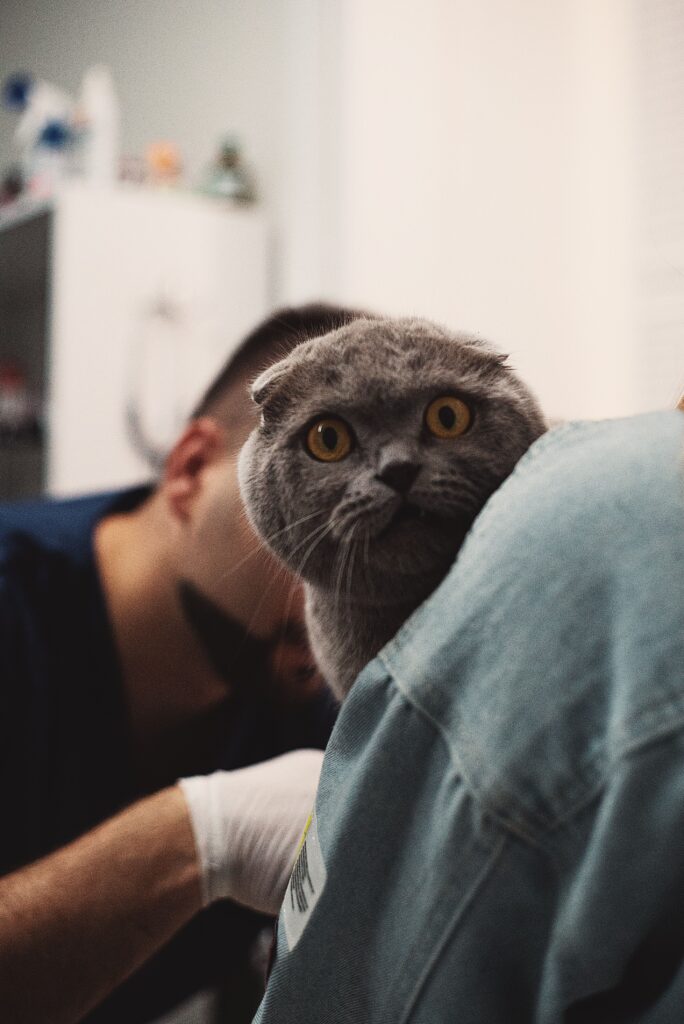
Kidney disease is one of the most common conditions affecting older cats, and it’s also one of the most manageable when it is caught early. This guide covers what chronic kidney disease (CKD) actually is, the early signs to watch for, what causes it, how veterinarians stage and diagnose it, and what treatment and quality-of-life management look like at each stage, using the current 2026 staging guidelines from the International Renal Interest Society (IRIS).
This article is educational information, not a substitute for veterinary diagnosis or care. If your cat is showing any of the signs below, the next step is always a veterinary visit, not a wait-and-see approach.
What is kidney disease in cats?
A cat’s kidneys filter waste from the bloodstream, regulate hydration, balance electrolytes, and help control blood pressure. Chronic kidney disease (CKD) is a progressive, usually irreversible loss of kidney function that develops over months or years. It is different from acute kidney injury (AKI), which is a sudden, often more reversible drop in kidney function caused by something like toxin exposure, dehydration, or a urinary blockage.
CKD is the more common concern in older cats, and it’s the focus of this guide. It’s a leading health issue in senior and geriatric cats, which is why routine screening becomes more important as your cat ages, even before any symptoms appear.
What are the clinical signs of kidney disease in cats?
Kidney disease is often called a “silent” disease in its early stages; a cat can lose a significant portion of kidney function before obvious symptoms appear. That’s part of why early detection through routine bloodwork matters more than waiting for visible signs.
As CKD progresses, watch for:
- Increased thirst and urination — often the earliest and most noticeable sign, as failing kidneys lose the ability to concentrate urine
- Weight loss, sometimes gradual and easy to miss month to month
- Reduced appetite or increasing pickiness about food
- Vomiting, particularly in more advanced disease
- Poor coat condition — a dull, unkempt coat is common as cats groom less and hydration drops
- Lethargy or a general decline in activity
- Bad breath with a chemical or ammonia-like odor, in more advanced cases
Any one of these on its own doesn’t confirm kidney disease, but a cat showing several of them — especially increased thirst and urination together — warrants a veterinary visit and bloodwork sooner rather than later.
What causes kidney disease in cats?
In most cats, CKD doesn’t have one single identifiable cause. It’s the cumulative result of age-related decline in kidney tissue, sometimes compounded by past kidney infections, dehydration episodes, certain medications, or underlying conditions like hypertension. But there are a few specific, well-documented causes worth knowing about.
Polycystic kidney disease (PKD)
Polycystic kidney disease is a genetic condition where fluid-filled cysts gradually replace healthy kidney tissue, eventually leading to kidney failure. It’s chiefly a Persian-lineage disorder. Persians are by far the most consistently affected breed, with risk extending to Persian crosses and several Persian-derived breeds.
| Risk level | Breeds |
|---|---|
| Highest, best-established risk | Persian |
| Strongly associated | Himalayan, British Shorthair |
| Elevated risk in genetic studies | Exotic Shorthair, Scottish Fold |
| Recommended screening group | Persian crosses and Persian-derived breeds (including Burmilla, Foldex, Ragdoll, Selkirk Rex, and others) |
The classic form is caused by a dominant genetic variant in the PKD1 gene — a cat only needs one copy to be affected, and an affected cat has roughly a 50% chance of passing it to each kitten. A targeted DNA test can reliably detect this specific variant, which is genuinely useful for breeding decisions and early screening. It’s worth knowing two limits, though: a positive result doesn’t predict how severe the disease will be or when kidney failure might occur, and a negative result rules out that one specific variant — not every possible cause of kidney cysts. If your Persian or Persian-mix cat has a family history of PKD, a vet-recommended ultrasound alongside genetic testing gives the fullest picture.
How to prevent kidney disease in cats
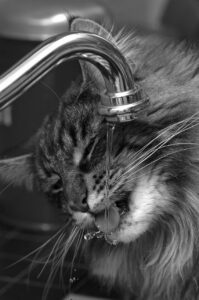
There’s no guaranteed way to prevent CKD, since much of it is tied to age-related decline, but a few things measurably lower the risk:
- Keep your cat well-hydrated throughout life, not just after a diagnosis — chronic mild dehydration over years is itself a contributing factor
- Stay current on dental care — chronic dental infections are a documented contributor to kidney stress over time
- Avoid unnecessary long-term use of medications that are hard on the kidneys, and always follow dosing guidance closely for any cat, especially seniors
- Screen for and manage hypertension early, since untreated high blood pressure can contribute to kidney damage over time
- Prioritize routine senior bloodwork starting around age 7 — this doesn’t prevent CKD, but catching it at Stage 1 instead of Stage 3 dramatically changes the long-term outlook, which is the most actionable form of “prevention” available
Other contributing factors
- Chronic dental disease and untreated infections, which can affect kidney function over time
- Hypertension (high blood pressure), which can both cause and result from kidney damage
- Certain medications, particularly long-term or high-dose use of some drugs metabolized by the kidneys
- Dehydration episodes, especially repeated ones over a cat’s lifetime
- Age itself — kidney tissue naturally loses some function over the years, which is why CKD is overwhelmingly a disease of middle-aged and senior cats
What are the stages of kidney disease in cats?
Veterinarians stage CKD using the IRIS (International Renal Interest Society) system, which is the current international standard as of 2026. Staging isn’t done from a single blood test — a cat is staged only once CKD has already been diagnosed as stable, using creatinine and/or SDMA (ideally both), and then further refined by two “substages”: urine protein levels and blood pressure.
An isolated high creatinine or SDMA reading on its own is not enough to diagnose CKD — it needs to be interpreted alongside clinical history, hydration status, and ideally a repeat test.
| IRIS Stage | Creatinine (mg/dL) | SDMA (µg/dL) |
|---|---|---|
| Stage 1 | Below 1.6 | Below 18 |
| Stage 2 | 1.6–2.8 | 18–25 |
| Stage 3 | 2.9–5.0 | 26–38 |
| Stage 4 | Above 5.0 | Above 38 |
A note on Stage 1: a cat can have completely normal creatinine and still be diagnosed with Stage 1 CKD if there’s other persistent evidence of kidney disease — elevated SDMA above 14 µg/dL, protein in the urine, abnormal kidney imaging, or urine that isn’t properly concentrated. This is a meaningful distinction: a single mildly abnormal marker on a routine senior panel isn’t the same thing as a confirmed Stage 1 diagnosis, and it’s worth asking your vet to clarify which one applies if your cat’s bloodwork comes back with a borderline result.
Substaging by urine protein (UPC ratio)
| Substage | UPC ratio |
|---|---|
| Non-proteinuric | Below 0.2 |
| Borderline proteinuric | 0.2–0.4 |
| Proteinuric | Above 0.4 |
Substaging by blood pressure
| Substage | Systolic blood pressure |
|---|---|
| Normotensive | Below 150 mmHg |
| Prehypertensive | 150–159 mmHg |
| Hypertensive | 160–179 mmHg |
| Severely hypertensive | 180 mmHg or above |
One more detail vets use in practice: if creatinine and SDMA disagree — for example, creatinine suggests Stage 2 but SDMA is persistently above 25 µg/dL — the higher stage is generally used for treatment planning, since SDMA can pick up on reduced kidney function slightly earlier than creatinine in some cats.
How is kidney disease in cats diagnosed?
Diagnosis typically combines several pieces of information rather than a single test:
- Blood tests measuring creatinine and SDMA, the two primary kidney-function markers
- Urinalysis, checking urine concentration and screening for protein
- Blood pressure measurement, since hypertension is both a contributing cause and a common complication
- Physical exam findings, including kidney size and shape on palpation
- Imaging (ultrasound or X-ray) in some cases, particularly if PKD or another structural cause is suspected
Routine senior wellness screening — typically recommended annually for cats 7 and up, and every six months for cats over 10 — is how most early-stage CKD gets caught before symptoms appear, which matters because earlier detection generally means more time to manage the disease before it progresses.
How is kidney disease in cats treated?
There’s no cure for CKD, but treatment can meaningfully slow its progression and improve a cat’s day-to-day comfort. Management is typically built around a few core pillars:
Diet. A prescription renal diet, formulated with restricted phosphorus and controlled, high-quality protein, has the strongest evidence behind it of any single CKD intervention. Reducing dietary phosphorus specifically has been shown to slow the rate of kidney damage in cats with CKD. We cover renal-diet options in more depth in a dedicated guide.
What should I not feed a cat with kidney disease? Once a cat is diagnosed, the general guidance is to avoid high-phosphorus foods (many standard adult cat foods and most treats), excess sodium, and unregulated homemade or raw diets that aren’t specifically formulated for renal support. This is exactly why prescription renal diets exist. They are formulated with these restrictions already built in, rather than requiring you to calculate them yourself. Always make dietary changes for a CKD cat under veterinary guidance rather than switching foods independently.
Hydration support. Because failing kidneys struggle to concentrate urine, cats with CKD are prone to chronic mild dehydration, which itself accelerates kidney stress. Encouraging water intake — through wet food, fountains, or supplements designed to increase liquid consumption — is a meaningful, low-risk part of ongoing management. We go into hydration strategies, including which approaches have real evidence behind them, in our guide to cat water fountains and hydration support.
Blood pressure management. Because CKD and hypertension often feed into each other, monitoring and treating high blood pressure is a standard part of care from Stage 2 onward, and it becomes more urgent at higher stages.
Managing complications directly, including anemia and phosphorus imbalance, which are addressed below.
Monitoring. Regular recheck bloodwork — typically every 3 to 6 months for a stable cat, more frequently if the disease is progressing or treatment is being adjusted — is how vets track whether current management is working.
Complications and quality of life
CKD doesn’t just affect the kidneys directly. It can create knock-on effects elsewhere in the body, particularly as the disease advances.
Anemia
Healthy kidneys produce erythropoietin (EPO), a hormone that signals bone marrow to produce red blood cells. As kidney tissue is progressively damaged, EPO production drops, and red blood cell production slows accordingly — the marrow simply doesn’t get the signal to keep up. Because the marrow itself isn’t the problem, this is described as a “non-regenerative” anemia. The bone marrow isn’t responding to a shortage of red blood cells the way it normally would, because the hormonal signal that would normally trigger that response is diminished.
Anemia becomes significantly more common as CKD advances:
| IRIS stage | Approximate anemia prevalence |
|---|---|
| Stage 2 | About 5% |
| Stage 3 | About 18% |
| Stage 4 | About 53% |
In practical terms: anemia is a genuine concern from Stage 3 onward, and it’s one of the more common and consequential complications by Stage 4. Vets generally consider treatment when a CKD cat’s hematocrit drops below 25%, or persists in the 25–28% range.
Hypertension
High blood pressure affects a wide range of cats with CKD — published estimates range from roughly 1 in 5 to nearly 2 in 3, depending on the study and how hypertension is defined. Because CKD is itself a recognized risk factor, veterinary guidelines recommend checking blood pressure at diagnosis and at least every 3 to 6 months afterward, even in a cat that seems clinically stable.
Persistent systolic readings of 160 mmHg or higher warrant prompt veterinary attention, and readings of 180 mmHg or higher are considered a more urgent concern, due to the risk of damage to the eyes, brain, heart, and kidneys. A single elevated reading at the vet’s office isn’t automatically a diagnosis, since cats can show temporary stress-related spikes — vets typically confirm with repeated, calm-setting measurements before treating.
Are cats in pain with kidney failure?
CKD itself isn’t generally considered an acutely painful condition, but advanced kidney failure can bring real discomfort — nausea, appetite loss, dehydration, and muscle wasting all affect a cat’s day-to-day wellbeing even without classic “pain” symptoms. This is part of why active management and regular vet check-ins matter even for a cat that is not outwardly showing distress; comfort and quality of life can decline gradually in ways that are easy to miss day to day.
Prognosis and life expectancy for cats with kidney disease
How long a cat lives with CKD varies enormously by stage, how early the disease was caught, and how consistently it’s managed. Published veterinary studies give a rough sense of the range, though it’s worth understanding upfront that these figures come from a handful of independent research studies — not official IRIS guidance, and not a precise prediction for any individual cat.
| IRIS stage at diagnosis | Reported median survival (published studies) | Confidence |
|---|---|---|
| Stage 1 | Not established — too few cats have been studied long-term to give a reliable figure | Low |
| Stage 2 | Roughly 16 months to just over 3 years | Medium |
| Stage 3 | Roughly 5 months to just over 2 years | Medium |
| Stage 4 | Roughly 3 weeks to about 3 months | Medium |
A few things worth understanding about these ranges rather than the numbers alone:
- The spread is wide because the studies themselves differ — in cat population, in exactly when the “clock” starts (at diagnosis versus after correcting for dehydration-related factors), and in how consistently cats were treated during the study period.
- Cats caught earlier, through routine screening rather than symptoms, tend to do better — much of the more optimistic end of the Stage 2 range comes from cats identified before they were visibly sick.
- Newer, smaller studies are refining these numbers, not overturning them — a few recent trials suggest some treatments may meaningfully extend survival at Stage 3, but the studies are small enough that they should be read as promising leads, not settled figures.
- None of this predicts an individual cat’s outcome. A cat’s specific bloodwork trend, response to treatment, and overall health matter far more than a stage number alone. Your veterinarian, who can see all of that together, is the right source for a realistic, individualized outlook.
Kidney disease in senior cats

CKD becomes substantially more common with age, though the exact numbers vary depending on how a study screens for the disease. Veterinary references commonly cite that roughly 30–40% of cats over age 10 are affected, while smaller studies that actively screen for early, non-symptomatic disease have found rates as high as 80% in cats aged 15 to 20. These aren’t contradictory. They mostly reflect the difference between cats diagnosed after showing symptoms and cats caught through proactive senior screening, which finds meaningfully more early-stage disease.
The practical takeaway: because CKD can be silent for a long time, routine screening — not waiting for symptoms — is what actually catches it early, and catching it early is one of the biggest factors in how well a cat does long-term.
FAQ
Here are quick answers to the questions cat owners ask most often about feline kidney disease, prognosis, and day-to-day care.
Can a cat recover from kidney disease? No, chronic kidney disease is not reversible — kidney tissue that’s been damaged doesn’t regenerate. However, its progression can often be significantly slowed with diet, hydration support, and management of complications like hypertension and anemia, and many cats live comfortably for a long time after diagnosis, especially when it’s caught early.
How long can a cat live with kidney disease? It depends heavily on the stage at diagnosis — published studies suggest roughly 16 months to 3+ years for Stage 2, 5 months to 2+ years for Stage 3, and a few weeks to about 3 months for Stage 4, though the range is wide and no two cats follow the same path. See our full prognosis section above for the details and important caveats.
Are cats in pain with kidney failure? Not typically in the acute sense, but advanced kidney failure brings real discomfort through nausea, appetite loss, and dehydration — see the complications section above for the full picture.
How can I prevent my cat from getting kidney disease? There’s no guaranteed prevention, but hydration, dental care, and routine senior bloodwork starting around age 7 all measurably help — see our prevention section above for the details.
What should I not feed a cat with kidney disease? Once diagnosed, avoid high-phosphorus foods, excess sodium, and unformulated homemade or raw diets — a vet-prescribed renal diet handles these restrictions for you. See the treatment section above for more.
What’s the difference between kidney disease and kidney failure in cats? “Kidney failure” typically refers to more advanced kidney disease, generally Stage 3 or 4, where a significant portion of kidney function has been lost and clinical signs are more pronounced. “Kidney disease” is the broader term covering any stage, including early, mild disease that may not yet cause visible symptoms.
Is kidney disease painful for cats? CKD itself is not typically described as an acutely painful condition, but the secondary effects — nausea, dehydration, and in some cases hypertension-related complications — can meaningfully affect a cat’s comfort and quality of life, which is why active management matters even when a cat isn’t showing obvious distress.
How often should senior cats be screened for kidney disease? Many vets recommend annual wellness bloodwork starting around age 7, moving to every six months for cats over 10, since CKD is frequently silent in its earliest stages and routine screening is how most early cases are caught.
Does increasing water intake actually help cats with kidney disease? Supporting hydration is a reasonable, low-risk part of CKD management, since cats with kidney disease are prone to chronic mild dehydration. That said, not every cat responds the same way to a given hydration strategy — some cats increase their intake with a fountain, others don’t, and some hydration supplements have more controlled evidence behind them than others. We break down what’s actually been studied in our dedicated hydration and water fountain guide.
When should I consider end-of-life care for a cat with kidney disease? This is a deeply personal decision that should be made with your veterinarian, based on your individual cat’s quality of life, appetite, comfort, and response to treatment — not on stage number alone. Many cats live well for a long time even at Stage 3 or 4 with active management, and your vet is the right partner to help assess quality of life as the disease progresses.
This article is intended for general education and does not replace professional veterinary advice. If you notice any signs of illness in your cat, please consult your veterinarian.
ACVIM (American College of Veterinary Internal Medicine)
ISFM (International Society of Feline Medicine)